





WRITTEN FOR THE SPEAKER, NOT THE PAGE.
A script that reads beautifully on the page can fall apart the second it's spoken. Sentences that look elegant in a Word doc trip the speaker up at the lectern. Words that look fine on autocue come out stilted because nobody actually says "moreover" out loud. We write to be spoken, which means short sentences, natural rhythm, and words the speaker can put their own voice through without faking it.
IF IT SOUNDS LIKE THE BOARD WROTE IT, THE AUDIENCE SWITCHES OFF.
The fastest way to lose a room is to put corporate language in a human's mouth. The "leveraging strategic synergies" stuff. The endless "we are excited to announce." The kind of writing that's been signed off by so many people it's lost any actual point of view. Audiences clock it instantly. They don't always know why, but they stop listening.
Good scripts sound like the person on stage. Their phrasing. Their rhythm. The way they actually talk when they're not being watched. Done well, the audience forgets there's a script at all, they're just listening to someone speak.
We write with the speaker in the room, or at least, with their voice in our heads. We rewrite until it sounds like them, not us. And we cut anything that sounds like it came out of an annual report.
Here's how a script project usually comes together.

LISTENING
Working out how the speaker actually talks.
 Intro call. Hearing them speak before we write a word.
Reference material. Past talks, interviews, internal videos.
Brief and intent. What the talk has to do.
Audience and context. Who's listening, why they're there.
Tone and register. Warm, sharp, plain, formal.

WRITING
Words built to be spoken, not read.
Short sentences. The kind people actually say.
Natural rhythm. Where the breaths and beats land.
One idea per beat. Clean, clear, scannable on autocue.
Specifics over jargon. Concrete words doing real work.
Lines worth saying. A few moments worth landing.

REFINING
Tightening until it sounds like the speaker.
Read-throughs aloud. The only test that matters.
Speaker edit. Their words, phrased their way.
Trims for time. Cutting without losing the point.
Cue-friendly pacing. Built for autocue or notes.
Last-minute changes. Built in, not panicked over.
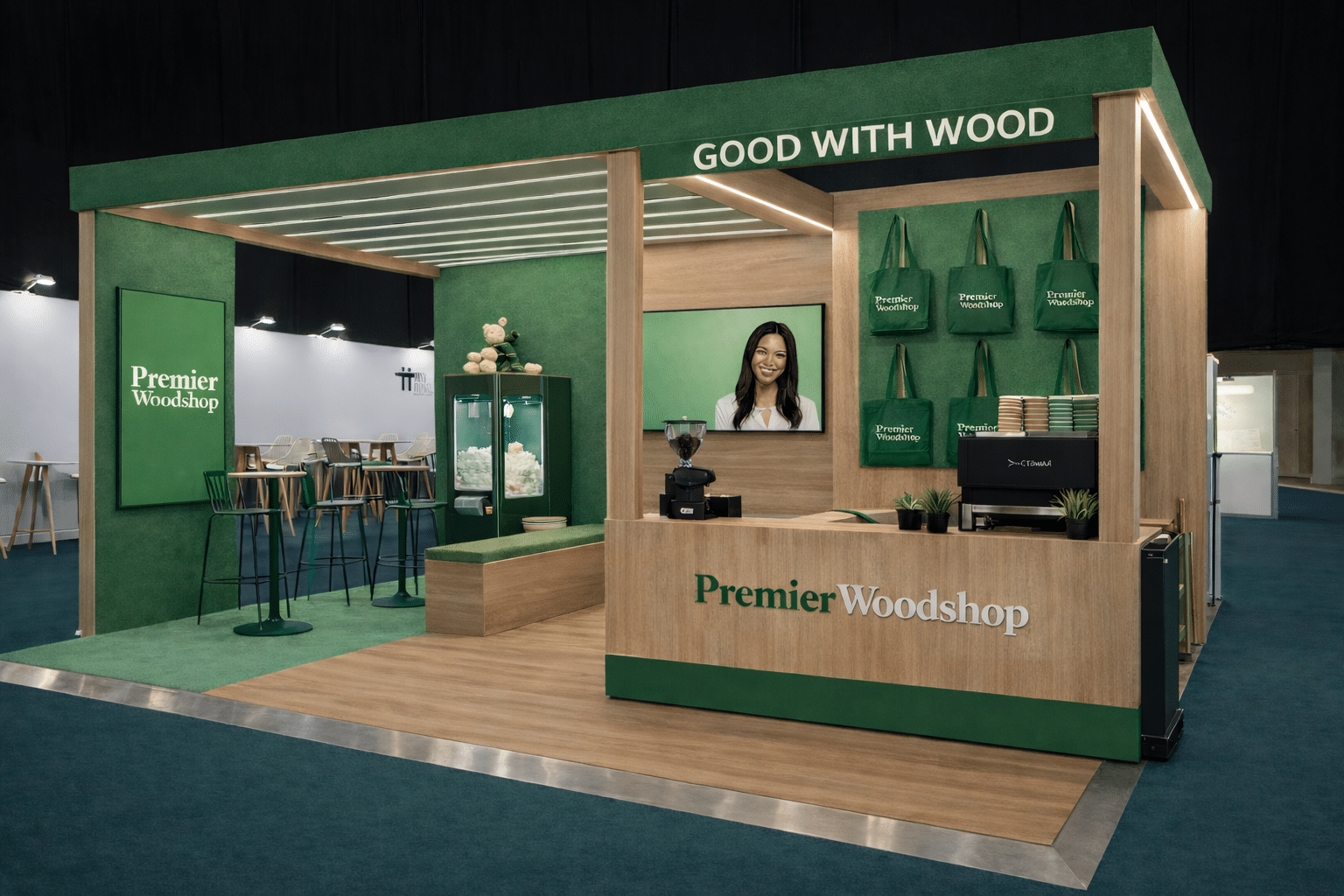

EA Offsite Takeover.
Global livestream
A 15-hour global livestream bringing remote teams together for an end-of-year celebration. We delivered end-to-end creative and production, concept, set, talent, content, filming and broadcast.

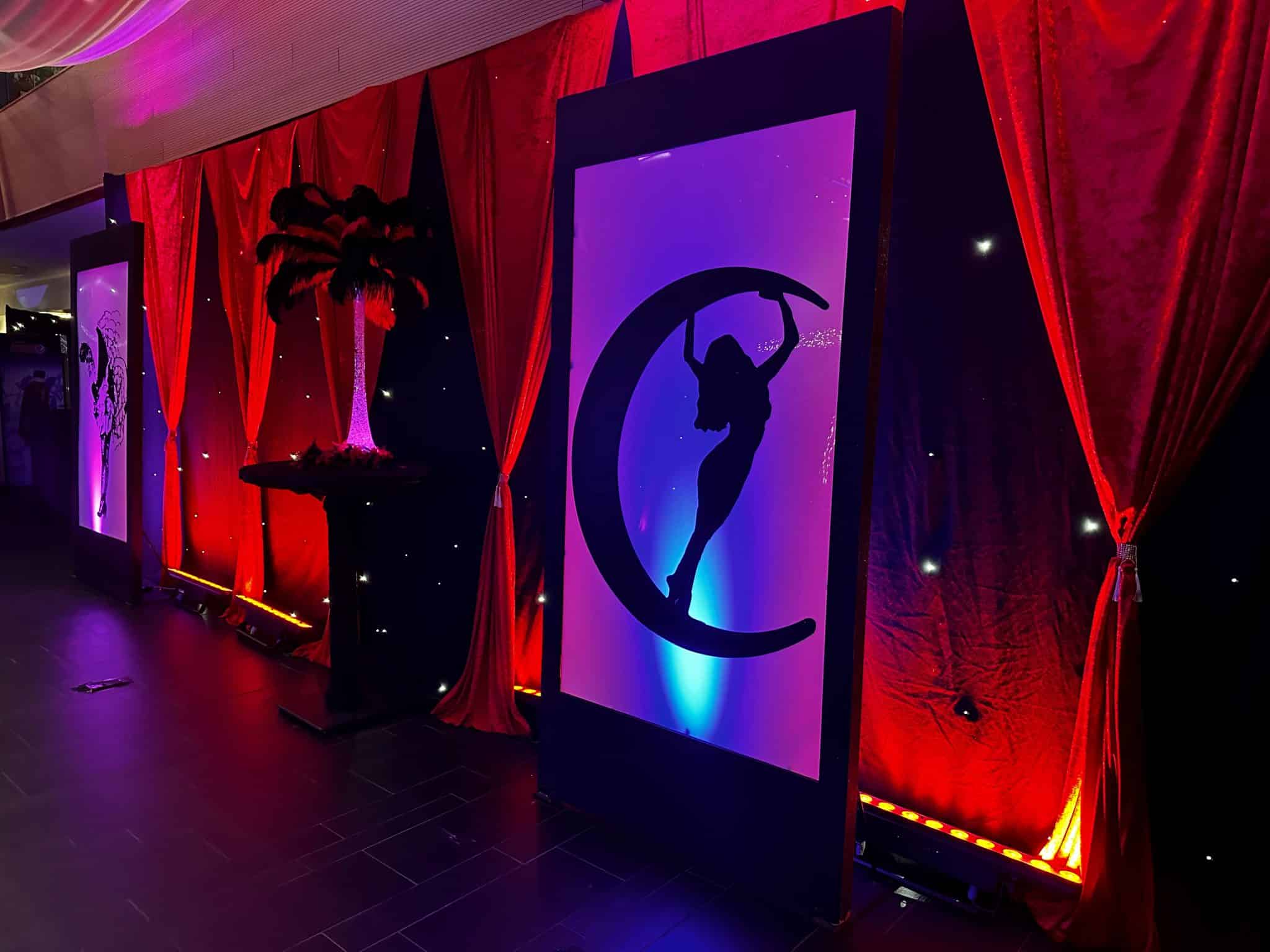
KFC RGMFest 2026
Award-winning event
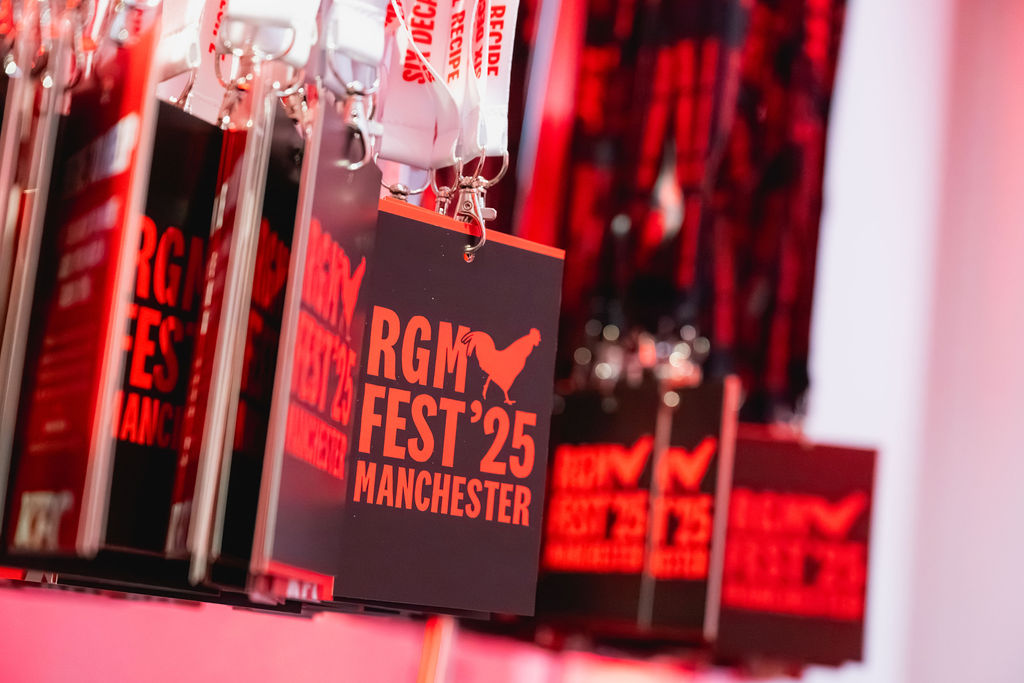
An award-winning event we've evolved year after year. 2026 featured a multi-screen show, bespoke content, full venue branding, agenda development and a live three-channel event radio station.

Sainsbury's Periodic Updates.
Video content
Monthly internal video updates filmed in stores and distribution centres across the UK. We manage filming, graphics and fast-turnaround edits, delivering broadcast-ready videos within 48 hours.
KFC Global MPMs.
Global programme
KFC's largest global marketing event, delivering four days of content across 16 markets and multiple venues. A three-year relationship, and counting.
TELL US WHAT YOU'RE MAKING.
Fill in the form and we'll come back to you quickly, not with a generic auto-reply, but with something useful.
Prefer a call? Book a 20-minute discovery call at a time that suits you.
Rather email? studios@premier-ltd.com. Or just ring us: 0116 202 9953.
Once we hear from you, we'll set up a quick call to understand your brief properly, no lengthy questionnaires, no sales pitch.
We typically respond within two hours on working days.
Questions we get asked alot:
Both. Autocue scripts are written differently to notes — line breaks, phrasing, sentence length all change because of how the words appear on screen. We write to the format the speaker's actually going to use, not a generic version of "a script."
Of course. That's how it should work. Our job isn't to write something the speaker has to perform — it's to give them a starting point that sounds like them. Most projects involve back-and-forth where they make it their own. The end result is better when they do.
Yes. We adapt the rhythm, sentence length and word choices to suit how they actually speak in English — which is often different to how a native speaker would say the same thing. The goal is for the script to sound natural in their mouth, not stilted.
A 10-minute keynote from a clear brief and a good intro call is usually a week, give or take revisions. A 45-minute main-stage talk with multiple speakers, run-throughs and rewrites is a longer project. We'll give you a real timeline, not a guess.
Yes — that crosses into Presenter Coaching. A lot of our script clients also work with us on rehearsal, delivery and stage work. The two services lean into each other naturally.